1. Children don't care how much you know until they know how much you care!
You can teach a child until you're blue in the face, but unless you show them that you care about THEM and not just their academic performance, you will have wasted your time. I used to just jump right in and start teaching my students what I thought they needed to learn. When I reflect back on my grade school days, I can't tell you anything about what specific teachers taught me. But I can tell you about how they impacted me as an individual. I can tell you the ones who encouraged me to keep trying even if I didn't get it the first time. I can tell you the ones who pushed me to go even further than I thought I could and wouldn't let me settle for less than my very best. I like to start each tutoring session with a very quick check-in. (How was your day/week on scale of 0-10.) I've learned that students can not and will not focus as much on academics if another area of their life is consuming their energy. Taking just 5 minutes to discuss the argument they just had with a friend could help the remainder of the hour be much more efficient. Also, as a tutor I look for every opportunity to get to know my students better, and to incorporate their interests into tutoring!
2. You CAN tie in social skills and character education when teaching students!
I recently found out that one of my tutoring students, a sixth grade boy, was getting bullied at school. At this point, the school counselor in me came roaring out, and I was mad that I couldn't be at the kid's school to do something about it! However, I did have this student for the next hour, and I could give him some tools for handling this situation even if I'm not at his school. This particular boy is very bubbly and always energetic, so we never have a dull moment in tutoring! Since we are working on reading skills, I brought out one of my books on dealing with bullies (Confessions of a Former Bully- my favorite bullying book!). I will try to post the activities that I did with him soon!
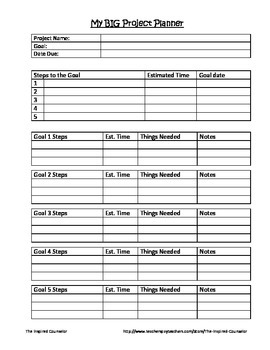
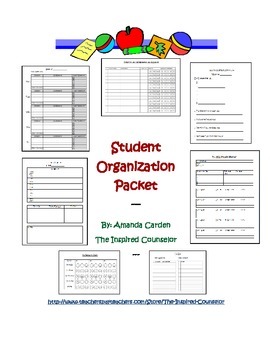
Another student I am working with is a 5th grade girl who struggles with self-concept and responsibility. I have worked closely with her to help her with organization skills. She, like many kids, wants to put big projects off until the very last minute, which usually results in a late night cram session and quite a few tears shed. I designed a "Big Project Planner" to help her break down big projects into smaller tasks to work on each day. I am also starting her on a "progress card" for her to take responsibility for certain behaviors and attitudes that she has. Also, to help her increase her self-concept, I am teaming up with her teachers and parents to really bring out her strengths and make a point to tell her any strength that I see in her.
(Click on the pictures to be taken to my TPT store!)
3. Learning does NOT have to be boring and should NEVER be boring!
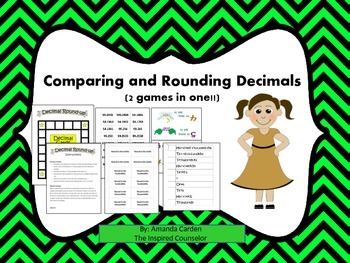
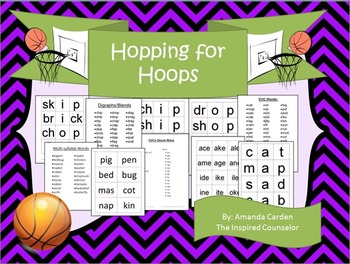
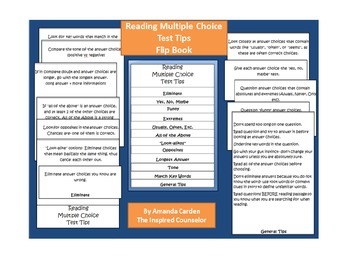
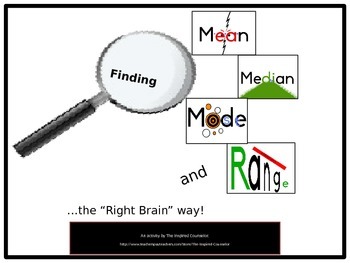
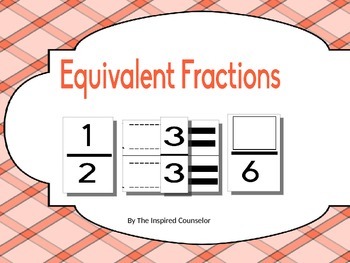
Worksheets can be a time saver for teachers, but they can be a time waster for students. I DO NOT like to use worksheets and avoid them at all costs! For homework, worksheets can be a great tool to review materials independently, but when working with a teacher I believe it's best NOT to use them. When I'm tutoring, I will create fun games to teach and review topics. For example when completing math problems or reading sight words, I might pull out a Tic-Tac-Toe board or a Connect 4 board. For each problem answered, they get to have a turn. I also have file-folder game boards, PowerPoint games, and even basketball games (using my indoor hoop). When students are having fun, they are learning. With my more creative and artistic students, I will sometimes have them create a Lapbook of the concept we are discussing.
Below are a few games and activities that I have posted on my TPT store:
4. There's more to learning than just learning.
I sometimes ask my students what they think about different subjects, like reading for example. One student would always say that he HATES reading. The counselor in me then gets him to reframe that "garbage" thought into a "recycled" though. Instead of saying "I hate it", they can say "It's hard for me but I am learning." Often times, students come to see their academic difficulties as a direct reflection of their value as a person. I want my students to know that there is more than just academic success, and I will make a point to describe several of the student's strengths. We might have a conversation about why it is important to learn XYZ, and how it will help them in the future if they learn it now.
Now that I am seeing tutoring through the counseling lens, counseling opportunities with my students are popping up all over the place! Sure, I mainly tutor reading and math, but I also teach self-esteem, self-worth, and self-discipline. I use Solution Focused therapy and CBT on a regular basis during tutoring. I work with families on the best way to support their child. I may not have a school to counsel at yet, but I sure am using my school counseling skills when I am tutoring! Once I do get a school counseling job, I will be able to further incorporate academics into everything that I do with my students.
If you are interested in becoming a tutor,
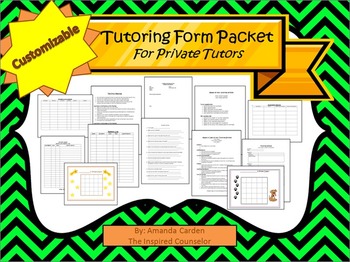
check out my Tutoring Forms Pack from my Teachers Pay Teachers Store!

.JPG)